21 July 2026
Jaipur Travel Guide: Where to Stay, What to See, and How to Get Around
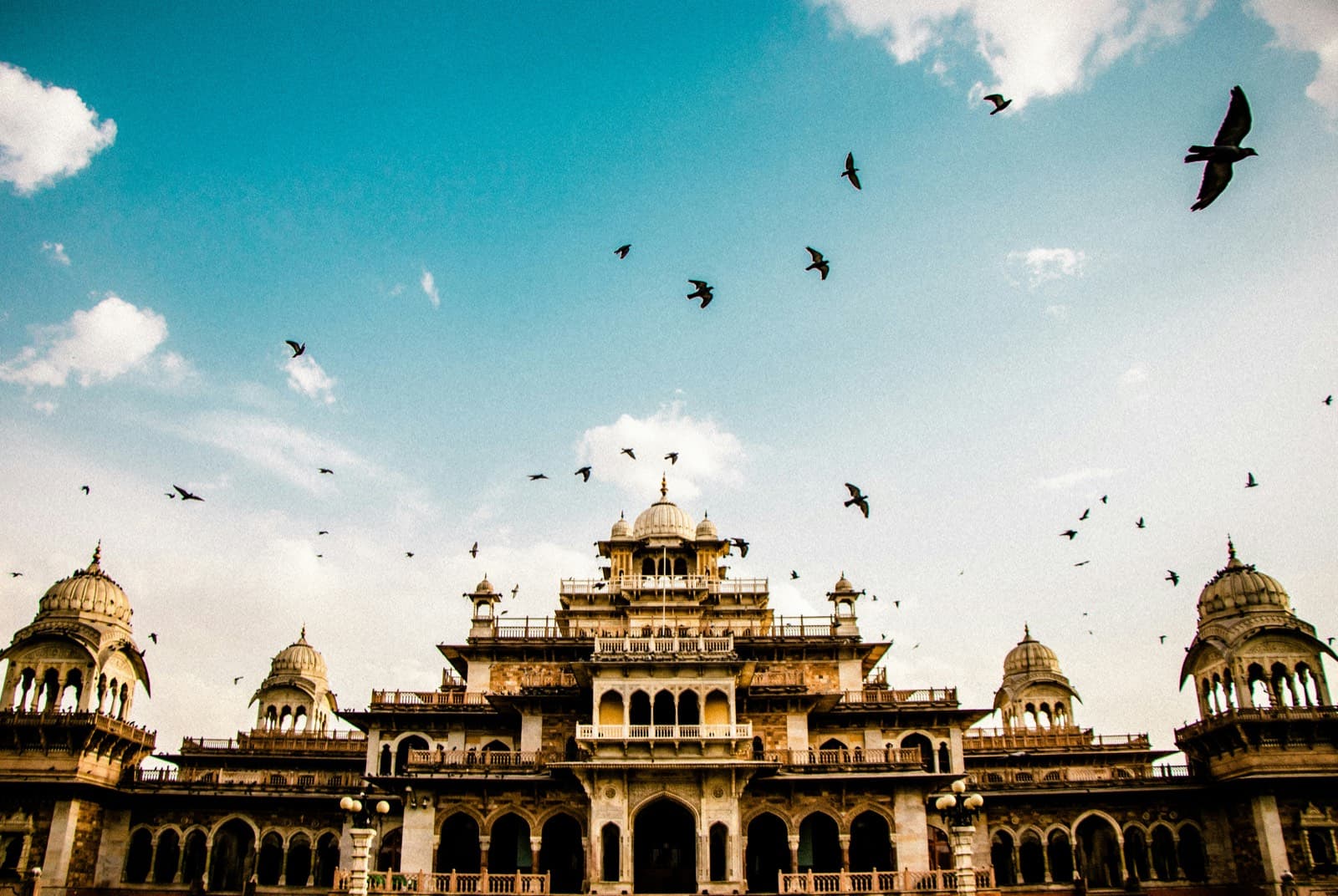
Jaipur is the capital of Rajasthan and the first stop on most India itineraries — and for good reason. Walled forts on the hills, a rose-and-terracotta old city below, bazaars that have sold the same trades for three hundred years, and food that ranges from a two-rupee kachori to a proper royal thali. It's also one of the easiest Indian cities to travel in as a first-timer: compact, well-connected, and used to visitors.
This guide covers what you actually need before you book a stay — where to base yourself, what's worth your time, how to move around, and a few things nobody tells you until you're already there.
How to Reach Jaipur
Jaipur is the third corner of India's Golden Triangle (Delhi–Agra–Jaipur), and it's built for exactly this kind of trip.
- By air — Jaipur International Airport (JAI) has frequent domestic flights from Delhi (about 1 hour), Mumbai, Bangalore, and other major Indian cities, plus a small number of international connections.
- By train — Jaipur Junction is well connected to Delhi (4.5–5 hours on the faster trains) and Mumbai (roughly 16–18 hours), making it an easy overnight option from either end.
- By road — the Delhi–Jaipur expressway makes this a comfortable 5–6 hour drive, one of the smoother long-distance road trips in North India. Agra to Jaipur is around 5–6 hours as well, completing the Golden Triangle loop.
- Visa note for international visitors — India requires a visa or e-Visa for most foreign nationals, arranged in advance online; there's no separate visa requirement specific to Jaipur.
Best Time to Visit Jaipur
October to March is peak season, and it's peak for a reason — daytime temperatures sit in a comfortable 20–28°C (68–82°F) range and evenings are pleasant enough for rooftop dinners. December and January nights can dip close to freezing, so pack a layer if you're travelling then.
April to June is genuinely hot — 40°C+ (104°F+) is normal, and walking around the old city in the afternoon isn't fun. If you're travelling in summer, plan sightseeing for early morning or after 4pm, and pick a stay with reliable AC and, ideally, a pool.
July to September is monsoon — fewer crowds, lower prices, and the forts look dramatic against grey skies, but expect humidity and the odd washed-out day.
If you can choose, aim for late October to February. It's the sweet spot most travellers plan around.
Top Areas to Stay in Jaipur
Where you stay shapes your whole trip more than people expect. Here's how the main areas break down:
Bani Park — Quiet, leafy, mostly heritage havelis converted into guesthouses. A short auto ride from the old city. Good pick if you want charm and calm over nightlife, and it's one of the more budget-friendly heritage pockets.
C-Scheme — Central, modern, close to restaurants and cafés that don't feel touristy. Slightly more expensive but very convenient if you're working while travelling or want reliable Wi-Fi and good coffee nearby.
MI Road (Mirza Ismail Road) — The commercial spine of the city. Loud, busy, and extremely convenient — walking distance to shopping, transport, and the edge of the old city. Best if you want to be in the middle of things and don't mind street noise.
Old City / Pink City (inside the walls) — Staying here means waking up next to Hawa Mahal and the bazaars. It's atmospheric but also the most chaotic — narrow lanes, constant traffic, and less predictable Wi-Fi. Good for a short, immersive stay; less ideal if you want quiet sleep.
Amer — Right below Amber Fort, away from the city centre. Makes sense if the fort is your main reason for visiting Jaipur, or if you want a calmer, more rural base with fort views.
For most first-time visitors, Bani Park or C-Scheme hits the best balance of access and comfort — close enough to everything, without the old city's constant noise. For a full area-by-area breakdown, see our neighbourhood guide to Jaipur.
Top Landmarks in Jaipur
Amber Fort (Amer Fort) — The big one. A hilltop fort-palace roughly 11 km from the centre, with mirrored halls, courtyards, and views across the Aravalli hills. Go early — by 10am the crowds and heat both pick up. Budget 2–3 hours.
Hawa Mahal — The five-story "Palace of Winds" with its honeycomb façade of 953 small windows, built so royal women could watch street life unseen. Best photographed from the street just after sunrise, before the road fills with traffic. The inside is smaller than the façade suggests — 20–30 minutes is enough.
City Palace — Still partly home to the former royal family, with courtyards, museums of royal costumes and weapons, and Peacock Gate. Worth 1.5–2 hours.
Jantar Mantar — An 18th-century open-air astronomical observatory right next to City Palace, with the world's largest stone sundial. More interesting with a guide who can explain what each instrument actually measures.
Nahargarh Fort — Perched on the hills above the city, best visited close to sunset for the view over Jaipur lighting up. Less crowded than Amber Fort.
Jal Mahal — The "Water Palace" sitting in the middle of Man Sagar Lake. You can't go inside, but it's a striking photo stop, especially in early morning light.
Albert Hall Museum — Jaipur's oldest museum, in a striking Indo-Saracenic building inside Ram Niwas Garden. Good option if you want an hour indoors during the afternoon heat.
How to Get Around Jaipur
Auto-rickshaws are the default for short hops — agree on a price before getting in, or use Ola/Uber, which both operate reliably in Jaipur and take the haggling out of it.
Jaipur Metro runs one line, useful mainly for MI Road to Chandpole and a few central stops — handy but limited coverage.
Walking works well inside the old city itself, where lanes are narrow and traffic makes autos slower than your feet anyway. Outside the walls, distances get big fast — Amber Fort, Nahargarh, and Jal Mahal are all a drive away, not a walk.
Hiring a car with driver for the day is common and inexpensive for covering Amber Fort, Nahargarh, and Jal Mahal in one loop — most stays can arrange this, or you can book through Ola outstation.
Food to Try in Jaipur
- Pyaaz kachori — flaky, onion-stuffed fried pastry, best from a street stall, not a restaurant
- Dal Baati Churma — baked wheat balls with lentils and a sweet crumble, the classic Rajasthani thali centerpiece
- Lassi — thick, often served in a kulhad (clay cup), especially good in the old city
- Ghewar — a disc-shaped sweet, seasonal around festivals but available year-round in most sweet shops
- Laal Maas — a fiery mutton curry if you want the non-vegetarian side of Rajasthani cooking
For a full food crawl by neighbourhood, see our Pink City food guide.
Shopping in Jaipur
Jaipur is one of India's best shopping cities, and it's worth setting aside real time for it, not just a rushed hour before a flight.
- Blue pottery — Jaipur's signature craft, distinct cobalt-and-white ceramics found in shops across the city and at dedicated workshops where you can watch it being made
- Textiles and block printing — bagru and sanganeri prints, sold by the metre or as finished garments, best found in Johari Bazaar and around Bapu Bazaar
- Jewellery — Jaipur is a major hub for gemstones and traditional jhumkas; Johari Bazaar is the historic jewellery market, though prices are very much negotiable
- Leather juttis — traditional pointed-toe shoes, sold across the old city, with prices varying a lot by material and craftsmanship
- Bargaining is expected in old city bazaars — start around 40–50% of the quoted price and settle in the middle. Fixed-price government emporiums exist if you'd rather skip the negotiation.
Festivals & Events in Jaipur
- Jaipur Literature Festival (January) — one of the world's largest free literary festivals, draws a huge international crowd; book stays well ahead if attending
- Kite Festival / Makar Sankranti (mid-January) — the sky over Jaipur fills with kites, a striking and very photogenic local tradition
- Gangaur (March/April) — a colourful women's festival with processions celebrating marital harmony, especially vivid in the old city
- Teej (July/August) — a monsoon festival marked by swings, folk songs, and processions, though it falls in the hotter, more humid part of the year
- Elephant Festival (March, around Holi) — decorated elephants, traditional games, and processions, held around the Holi period
Nearby Day Trips from Jaipur
- Pushkar — around 2.5 hours away, known for its sacred lake and the annual camel fair; a popular add-on for travellers with an extra day
- Abhaneri Stepwell — roughly 1.5 hours from Jaipur, a striking 9th-century stepwell (Chand Baori) that's become a popular photography stop
- Sanganer — just outside the city, the traditional home of Jaipur's block-printing and handmade paper industries, with workshops open to visitors
Local Customs and Etiquette
- Dress modestly at forts, temples, and religious sites — shoulders and knees covered travels easiest, for both men and women
- Remove shoes before entering temples, and expect some sites to ask for a small shoe-storage fee
- Photography fees are often separate from entry tickets at forts and palaces if you're carrying a proper camera (not just a phone)
- Right hand for eating and giving/receiving items is the customary norm, especially at food stalls and religious sites
- Bargaining is a normal part of shopping, not rude — a friendly back-and-forth is expected in bazaars, though fixed-price shops don't negotiate
A Few Practical Tips
- Water — stick to sealed bottles; tap water isn't advisable for visitors.
- Entry tickets for Amber Fort and City Palace are cheaper online in advance and worth booking to skip the queue.
- Budgeting — a comfortable budget stay runs roughly ₹800–1,500 ($10–18) a night, a mid-range hotel ₹2,500–5,000 ($30–60), and a heritage or luxury stay upward of ₹8,000 ($95+). Add roughly ₹1,000–1,500 ($12–18) a day for food, transport, and entry tickets on a budget trip.
- SIM/connectivity — prepaid Indian SIMs (Airtel, Jio) are widely available and inexpensive; most international visitors need their passport and a passport photo to register one.
Sample Itinerary
Two to three days covers Jaipur's highlights comfortably — Old City sights on one day, the forts (Amber, Nahargarh) on another, with a slower bazaar or day-trip day if you have a third. For an hour-by-hour plan, see our 3-day Jaipur itinerary for first-timers.
Planning a wider Rajasthan trip? Our Jaipur vs Udaipur comparison breaks down which to visit first if you're short on time.
Travelling solo? Our solo female traveller's guide to choosing safe stays has practical, city-agnostic tips worth reading before you book.
Backpacking on a budget? See our dedicated guide to budget hostels in Jaipur.
FAQ
How many days do you need in Jaipur? Two full days covers the major sights comfortably; three lets you add Nahargarh sunset, a cooking class, or a slower bazaar day without rushing.
Is Jaipur safe for solo travellers? Yes, generally — it's one of the more visited and tourist-familiar cities in India. Usual city precautions apply: stick to well-lit areas at night, use Ola/Uber after dark rather than flagging autos, and keep valuables secure in crowded bazaars.
Is Jaipur walkable? The old city is walkable within itself, but the city as a whole is spread out — you'll want autos, cabs, or a hired car for anything outside the walls.
What's the one thing people skip but shouldn't? Nahargarh Fort at sunset. Most itineraries max out on Amber Fort and City Palace and never make it up to Nahargarh, which has the best view of the city and far fewer crowds.
How do I get to Jaipur from Delhi? Jaipur has its own airport (JAI) with frequent domestic flights from Delhi (about 1 hour), plus fast trains (4.5–5 hours) and a comfortable 5–6 hour drive on the expressway. It's the classic first stop after Delhi and Agra on the Golden Triangle route.
Do I need a visa to visit Jaipur? If you're travelling from outside India, you'll need an Indian visa or e-Visa, arranged before arrival — Jaipur itself has no separate visa requirement beyond India's national entry rules.
Ready to find your stay in Jaipur?
Browse stays →